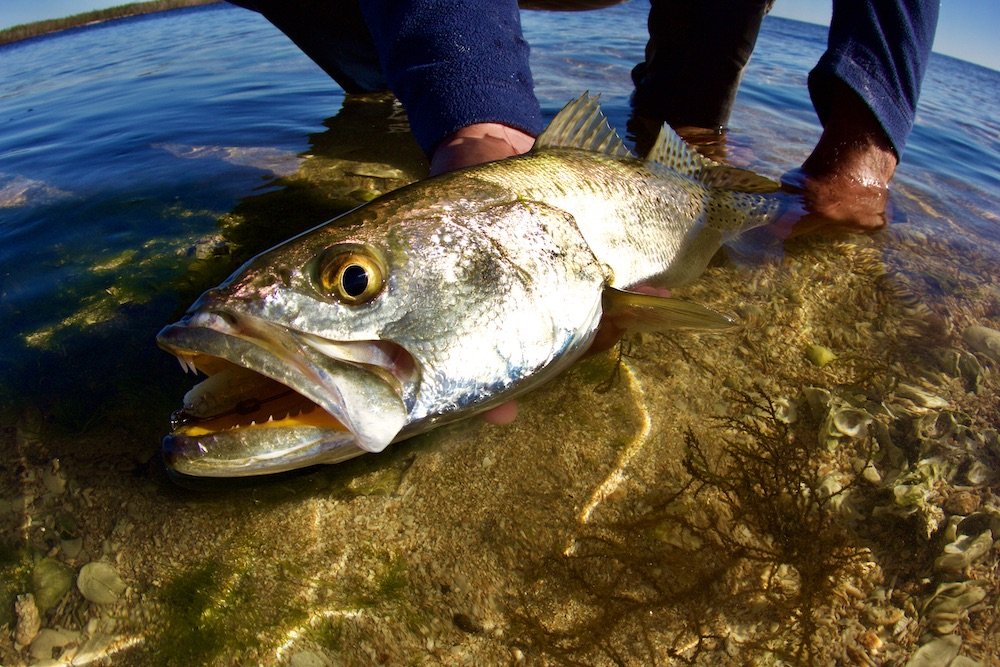
Southwest Maine offers paddlers all kinds of lakes and ponds in which to wet a line, with outstanding warmwater fisheries for both smallmouth and largemouth bass. The two species often live in the same lake (or pond, or river).
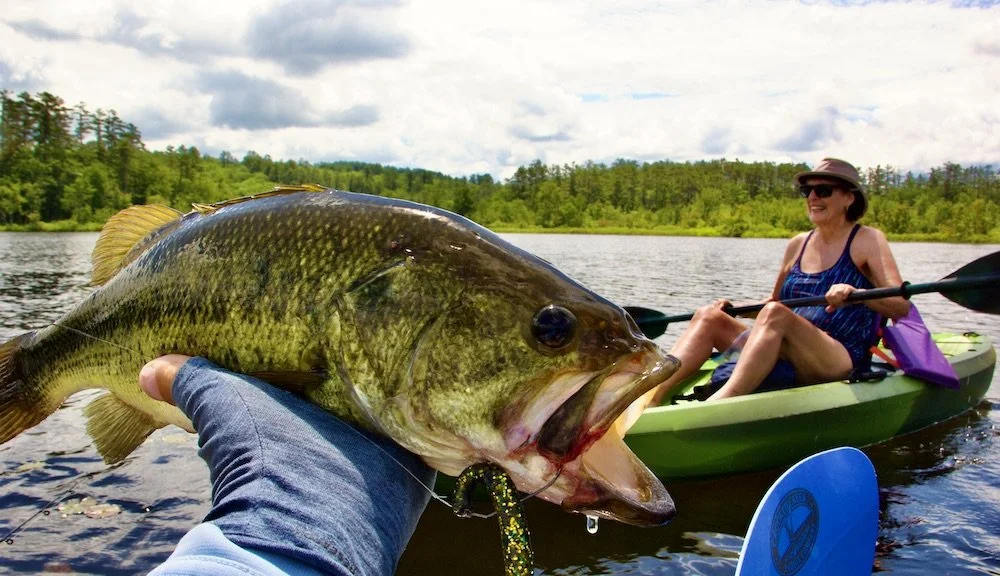
Southwest Maine offers paddlers all kinds of lakes and ponds in which to wet a line, with outstanding warmwater fisheries for both smallmouth and largemouth bass. The two species often live in the same lake (or pond, or river).
Summer will soon come to an end, and one of the things I will miss is the butterfly garden in our back yard. It’s a small garden planted around a trellis and garden bench, and it attracts beautiful butterflies of all kinds from April through the end of September.
One of the harbingers of spring is the return of the red-winged blackbirds. A much less common spring sighting, at least east of the Mississippi River, is the yellow-headed blackbird. In fact because they’re so uncommon, they’re listed as a species of special concern in Wisconsin.
One of the more wary and secretive shore birds that visit our wetland areas is the black-crowned night heron. These stocky herons are shorter than great blue herons, but they are still relatively large since they have a wingspan of nearly four feet.
Most butterflies are beautiful – but the various species of fritillary butterflies really take it to the next level. Many of them are dazzling! There are 14 species of greater fritillaries and 16 species of lesser fritillaries.
There are many species of ducks in North America, but one of the most elegant-looking is the hooded merganser. Both males and females sport a remarkable crest, or “hood” on top of their heads, which they can raise or lower at will.
Swans are well-known as very large, graceful white birds. There are three species of swans currently living in North America: trumpeter swans, tundra swans and mute swans. Trumpeter and mute swans are similar in size, and they can each have a wingspan of more than seven feet.
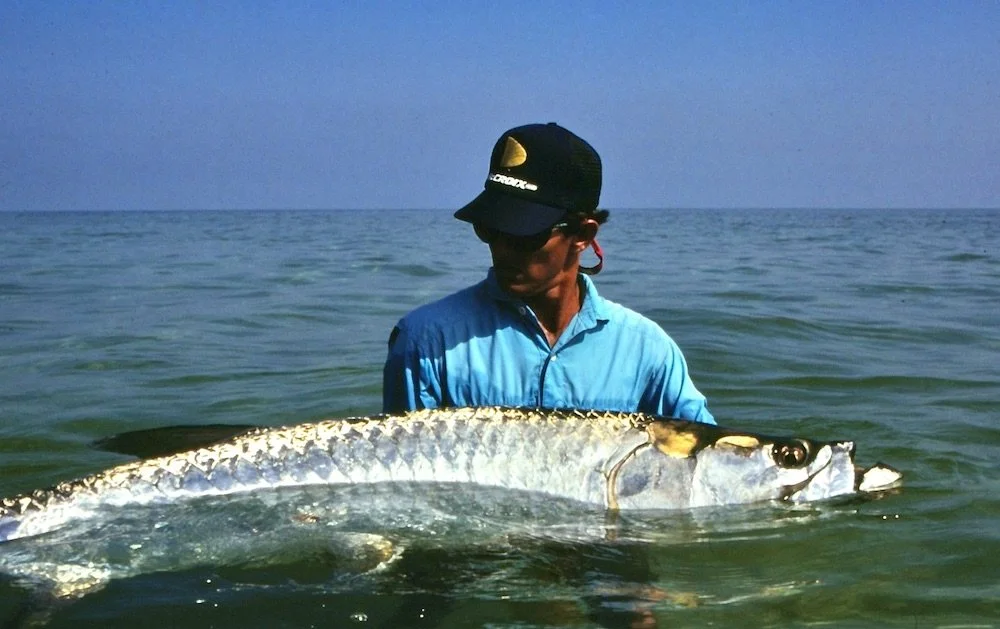
Of all the things you can do with a fly rod, few match the excitement of casting to and hooking a large tarpon in shallow water. Fighting one is another matter, and bringing one to hand is a significantly more difficult proposition.
he American mink is a small mammal that most people never see. They are semi-aquatic creatures, meaning they spend a lot of their time in and around the water. Mink are also mostly nocturnal animals, which also helps explain why most people never see one.
Sea lampreys (Petromyzon marinus) are native to the Atlantic Ocean. Since Lake Ontario is connected to the Atlantic via the St. Lawrence Seaway, lampreys have been in that body of water for a long time, too.
The Intracoastal Waterway Runs through the north part of Mosquito Lagoon. When this channel was being dug, the diggers hit patches of limestone rock, which had to be blasted. This rock rubble was piled up with the rest of the dredge spoil, now a string of spoil islands west of the ICW channel.
Surely everyone is familiar with the Canada goose. These large, noisy waterfowl seem to be everywhere these days, from lake and river settings to residential front yards. Canada geese have a distinctive brown, white and black coloration, and they have a long neck and a wide black bill.